

Public
The evolution of gambling from ancient rituals to modern casinos
The evolution of gambling from ancient rituals to modern casinos
The Origins of Gambling
Gambling has been an integral part of human history, with its roots tracing back to ancient civilizations. Archaeological evidence suggests that as far back as 3000 BC, people in Mesopotamia were using dice made from bones for betting games. These early forms of gambling were often tied to rituals and cultural practices, reflecting the beliefs and values of the societies that practiced them. In this context, players looking to explore different options might find non gamstop slots appealing as they navigate the modern gaming landscape.
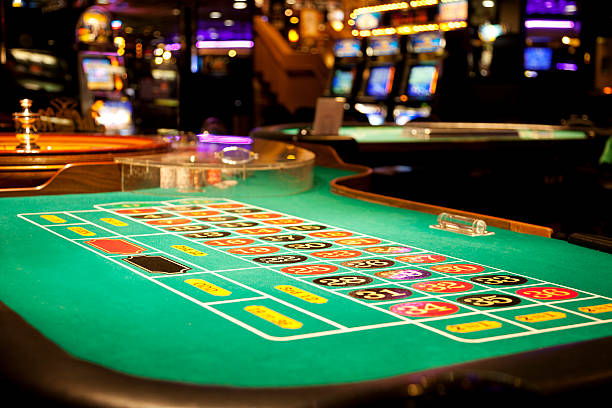
In ancient Egypt, gambling was also prevalent, with games involving dice and betting on outcomes of events. The connection between gambling and spirituality was strong, as many believed that luck was governed by divine forces. This intertwining of chance and fate set the stage for the development of more structured gambling practices in the centuries that followed.
The Rise of Organized Gambling
As societies evolved, so did the structure of gambling. The Greeks and Romans introduced organized games, where individuals could place bets on the outcomes of various events, including chariot races and gladiatorial combat. These early betting systems laid the groundwork for more formal gambling establishments.
The establishment of public gambling houses in cities during the Middle Ages marked a significant turning point. These venues provided a space where individuals could gather to place bets, fostering a sense of community around gambling activities. The emergence of card games in Europe during this time further popularized gambling as a recreational pastime.
The Influence of the Renaissance
The Renaissance era brought about significant changes in gambling culture. The introduction of new games, such as poker and various forms of casino games, enhanced the gambling landscape. The invention of the printing press allowed for the dissemination of rules and strategies, making gambling more accessible to the masses.
During this period, the first official gambling house, the Ridotto, opened in Venice in the early 17th century, marking a pivotal moment in the establishment of casinos as formalized entities. This venue provided a regulated environment for gambling, with established rules and oversight, setting the standard for future casinos.
The Birth of Modern Casinos
The 19th century witnessed the birth of modern casinos, beginning with establishments in Europe that catered to affluent patrons. Cities like Monte Carlo became synonymous with high-stakes gambling, attracting visitors from around the world. The concept of casinos evolved, incorporating luxurious amenities and entertainment options to create a comprehensive experience.
With the spread of gambling to the United States, Las Vegas emerged as the gambling capital of the world in the mid-20th century. The introduction of large-scale casinos, flashy shows, and a vibrant nightlife transformed gambling into a mainstream entertainment option. This evolution has continued, with online gambling gaining popularity in recent years, allowing players to engage from the comfort of their homes.

Conclusion and Website Overview
The journey of gambling from ancient rituals to modern casinos illustrates the dynamic nature of this age-old pastime. From rudimentary games of chance to sophisticated betting systems, gambling has continually adapted to cultural shifts and technological advancements.
This website serves as a valuable resource for anyone interested in exploring the history and evolution of gambling. With insights into various forms of gambling, the site aims to educate users on both the traditions and modern practices in the industry, ensuring a well-rounded understanding of this fascinating subject.

