

Chưa được phân loại
Exploring the psychology behind casino game choices and player behavior
The Role of Cognitive Biases in Game Selection
Cognitive biases significantly influence the choices players make when selecting casino games. Players often gravitate towards games that provide a sense of control or familiarity, such as slots or poker, due to the illusion of control bias. This bias leads individuals to believe they can affect outcomes, even in games governed largely by chance. As a result, players may favor these games, thinking their skills or strategies will yield better results. In this competitive environment, many also consider places like the best online casino in new zealand for their gaming adventures.

Additionally, confirmation bias comes into play, where players tend to remember winning experiences while overlooking losses. This selective memory can skew their perception of a game’s profitability, encouraging them to stick to specific games that they believe have provided favorable outcomes in the past. Such biases not only shape choices but also contribute to the overall gambling behavior observed in casinos.
Emotional Factors Influencing Game Preference
Emotions play a crucial role in shaping player behavior in casinos. Many players seek an adrenaline rush or a thrill, gravitating towards high-stakes games like roulette or blackjack, which offer significant excitement. The emotional highs associated with wins can create a cycle of behavior where players seek to replicate the feeling, often leading to increased time spent in the casino.
Conversely, some players may choose games that provide a calming effect, such as video poker or bingo, indicating a desire to escape stress or anxiety. Understanding these emotional drivers is vital for casinos, as they can tailor the gaming environment and marketing strategies to enhance player satisfaction and retention.
The Impact of Social Dynamics on Game Choices
Social dynamics are another influential factor in casino gaming behavior. Players often feel a sense of community and belonging when engaging in games that involve multiple participants, such as poker or craps. The social interaction and camaraderie can enhance the gaming experience, making these games more appealing compared to solitary options like slot machines.
Moreover, peer influence can sway individual choices, with players often seeking validation or recommendations from friends or fellow gamblers. This social proof can lead to a higher likelihood of choosing certain games over others, as players align their preferences with those of their peers, fostering a shared gaming culture within the casino.
The Role of Marketing and Game Design
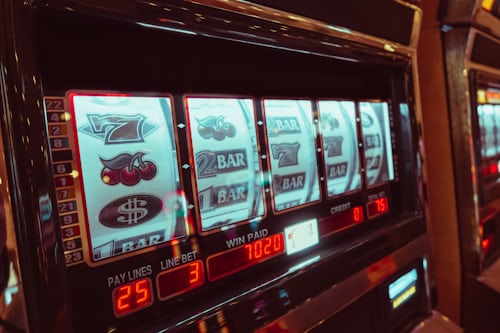
Casino operators utilize various marketing strategies and game designs to attract and retain players. The use of visually appealing graphics, enticing themes, and engaging sound effects can draw players into specific games. These design elements are strategically crafted to enhance the gaming experience and stimulate emotional responses, encouraging longer play sessions.
Moreover, marketing tactics such as bonuses, promotions, and loyalty programs can significantly influence player behavior. Players may be more inclined to choose a game if they perceive added value through these incentives. By understanding how marketing shapes game choices, casinos can effectively enhance player engagement and boost profitability.
Trial by Timeline: A Unique Historical Perspective
Trial by Timeline offers an engaging experience that connects users with historical narratives, including the evolution of casino games and player behavior over time. By exploring the psychological aspects of gambling within this historical context, users can gain a deeper understanding of how past trends and cultural shifts have shaped contemporary casino experiences.
This exploration not only enriches the user experience but also encourages a broader conversation about the implications of gambling choices and their psychological underpinnings. As users navigate this timeline, they can reflect on how history has influenced their own gaming preferences and behaviors in today’s casinos.

