

Public
The psychological effects of gambling on decision-making Insights from Safeau Casino
The psychological effects of gambling on decision-making Insights from Safeau Casino
The allure of gambling and its psychological grip
Gambling has an undeniable allure, drawing individuals into a realm where chance reigns supreme. The thrill of potentially winning big can trigger various psychological responses, including excitement and heightened focus. This appeal is not merely superficial; it often taps into deep-seated human emotions and cognitive biases that affect decision-making. For many, the prospect of winning can overshadow the reality of the risks involved, leading to impulsive choices that may have lasting consequences. Engaging in activities at Safeau Casino provides an opportunity to explore these dynamics safely.
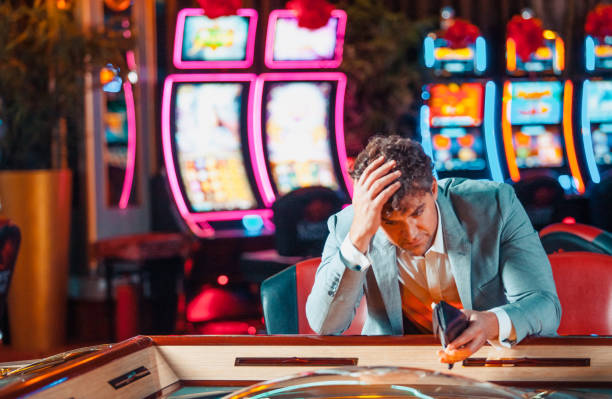
The excitement associated with gambling activates the brain’s reward centers, releasing neurotransmitters like dopamine. This chemical reaction not only enhances pleasure but can also create a cycle of desire for more gambling experiences. As players engage in this cycle, their decision-making processes become increasingly influenced by emotion rather than rational thought, making it challenging to recognize when to stop.
Risk-taking behavior and cognitive biases
Cognitive biases play a significant role in how gamblers make decisions. The most notable bias is the illusion of control, where players believe they can influence the outcome of random events, such as card games or slot machines. This belief can lead to overconfidence and a willingness to take risks that may not align with their actual chances of success. Such miscalculations can result in significant financial losses, yet the gambler often remains convinced that their next bet will bring victory.
Additionally, the gambler’s fallacy is another common cognitive distortion. This is the belief that past outcomes will influence future results, leading individuals to make ill-informed betting choices. For example, someone might continue to wager on a losing streak, convinced that a win is “due.” This mindset can trap players in a cycle of loss, driven by the false hope of an imminent turnaround.
The emotional rollercoaster of gambling
The emotional landscape of gambling is complex and often tumultuous. Players can experience a wide range of feelings, from exhilaration and joy during winning streaks to anxiety and despair when faced with losses. These emotional highs and lows can cloud judgment, leading to impulsive decisions that deviate from a player’s original strategy. The psychological stress associated with these swings can also drive individuals to gamble more in hopes of recouping losses, creating a detrimental cycle.
Moreover, the emotions felt during gambling can extend beyond the gaming experience itself. Players may carry feelings of guilt, shame, or frustration into their daily lives, affecting relationships and overall well-being. The impact of these emotions underscores the necessity for awareness and self-regulation when engaging in gambling activities to maintain mental health and sound decision-making.
The role of addiction in gambling behavior
Gambling addiction is a significant concern that further complicates decision-making processes. The compulsive need to gamble, despite negative consequences, can alter an individual’s capacity to make rational choices. Those affected often rationalize their behavior, believing that future wins will justify their losses. This can lead to financial instability and strained personal relationships.
Understanding gambling addiction is crucial for developing effective strategies to combat its effects. Education about responsible gambling practices and recognizing the signs of addiction can empower players to make informed decisions and seek help when necessary. Addressing these issues not only benefits individuals but also fosters a healthier gaming environment overall.

Safeau Casino and responsible gaming practices
Safeau Casino prioritizes responsible gaming, providing players with the tools and resources to make informed decisions. The platform promotes awareness about the psychological effects of gambling, encouraging users to engage in self-assessment before playing. With features such as deposit limits, time-outs, and self-exclusion options, Safeau Casino empowers players to maintain control over their gaming experiences.
In conclusion, understanding the psychological effects of gambling on decision-making is essential for fostering a safe and enjoyable environment. Safeau Casino stands committed to supporting its players in recognizing the emotional and cognitive dynamics at play in gambling, ensuring that their experiences remain entertaining without compromising mental well-being.

